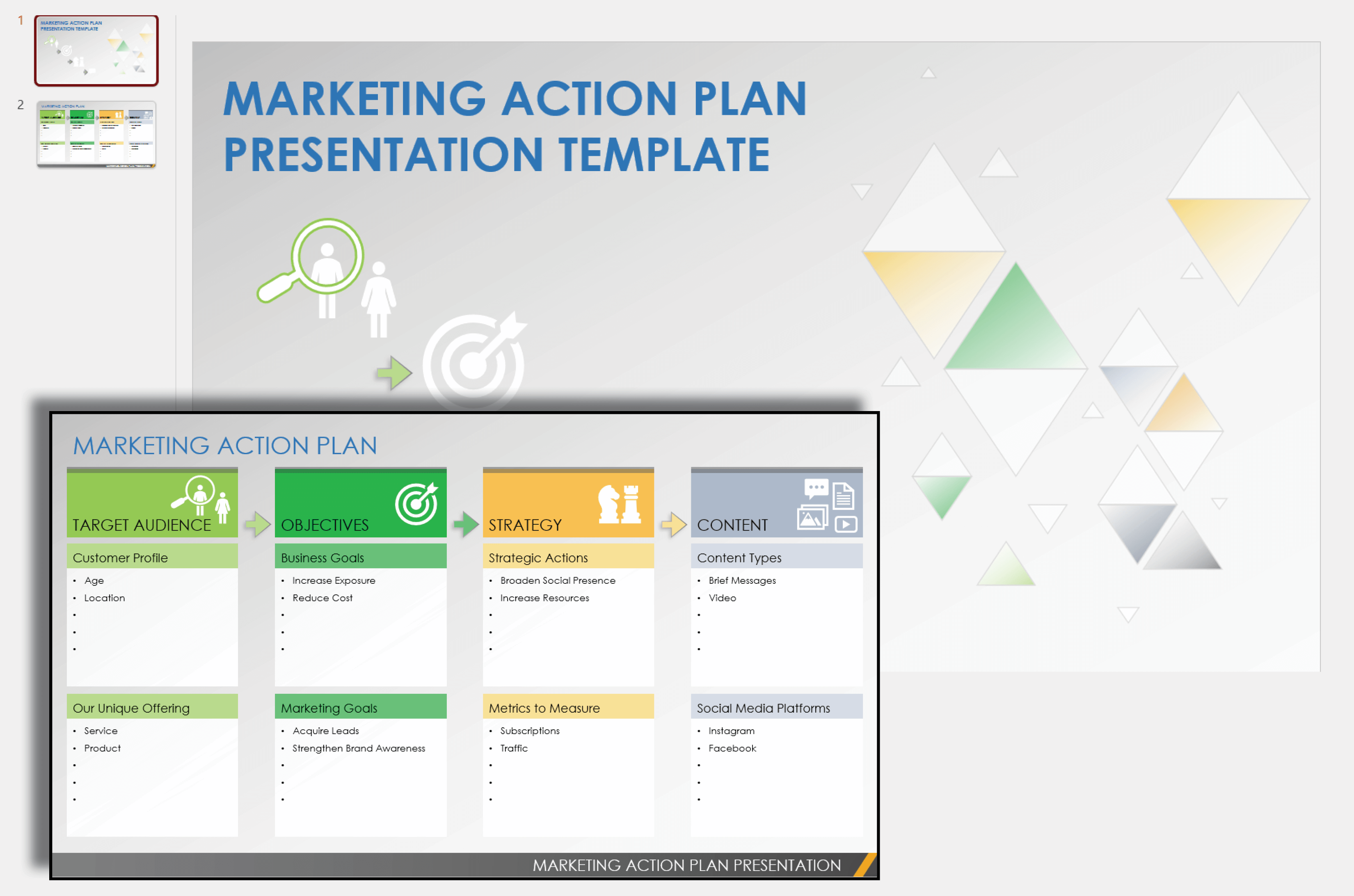
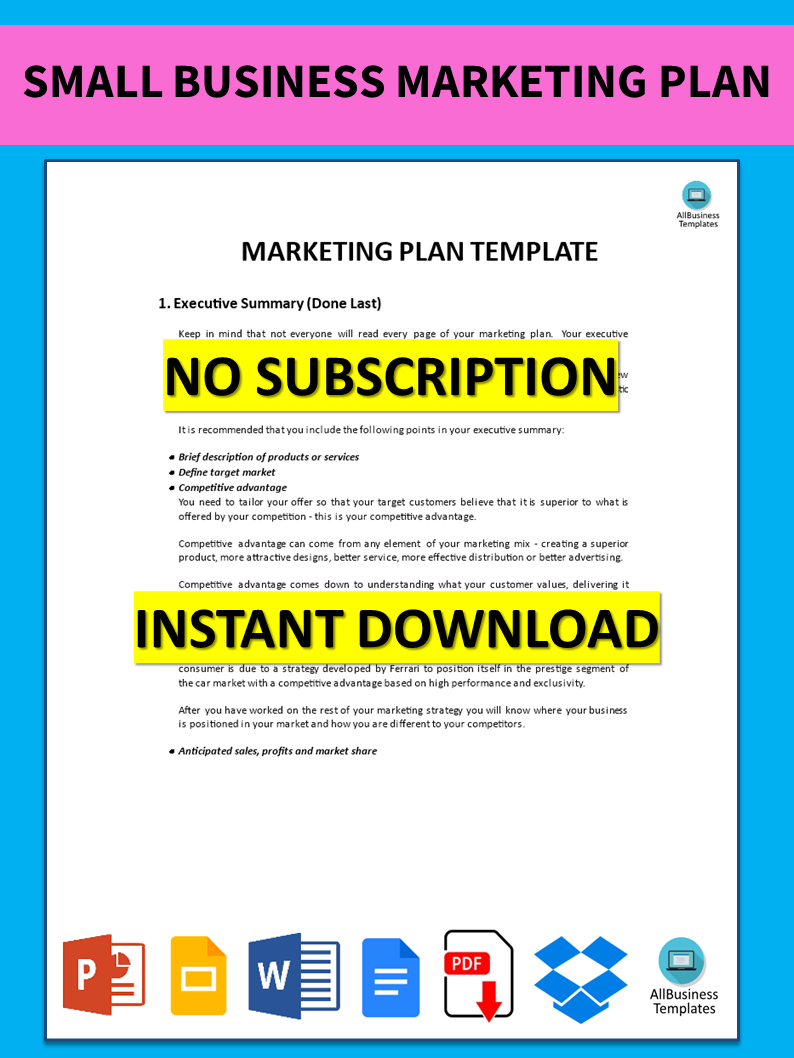
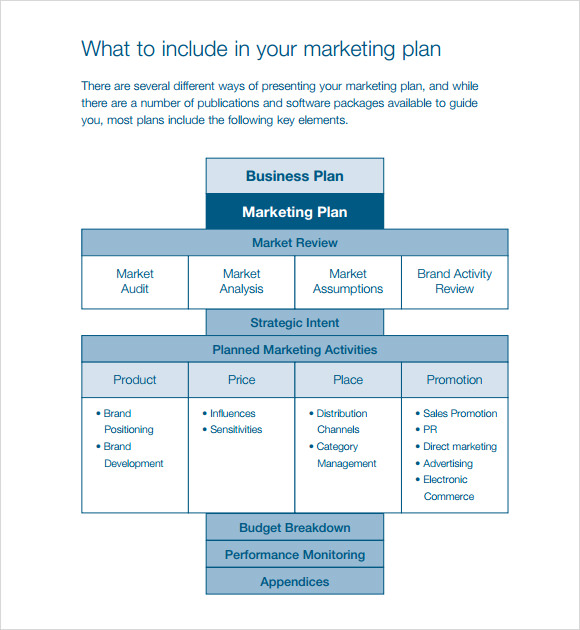
Marketing Plan For Small Business Template – A comprehensive guide to crafting a strategic marketing plan that drives growth for your small business. Whether you're just starting out or looking to refine your existing efforts, this template provides the essential steps and tools to achieve your business goals. A well-defined marketing plan isn't just about advertising; it's about understanding your target audience, identifying opportunities, and consistently delivering value. It's an investment in your future success. Let's dive in.
Why a Marketing Plan is Essential for Small Businesses
In today's competitive landscape, simply having a great product or service isn't enough. Customers are bombarded with choices, and a robust marketing strategy is crucial for standing out and attracting new clients. A marketing plan provides a roadmap, ensuring you're focused on the right activities, measured effectively, and ultimately, achieving a positive return on investment. Without a plan, you're essentially flying blind, hoping for the best. A structured approach increases your chances of success significantly. Ignoring the need for a marketing plan can lead to wasted resources, missed opportunities, and a struggling business. It's a proactive step towards sustainable growth.
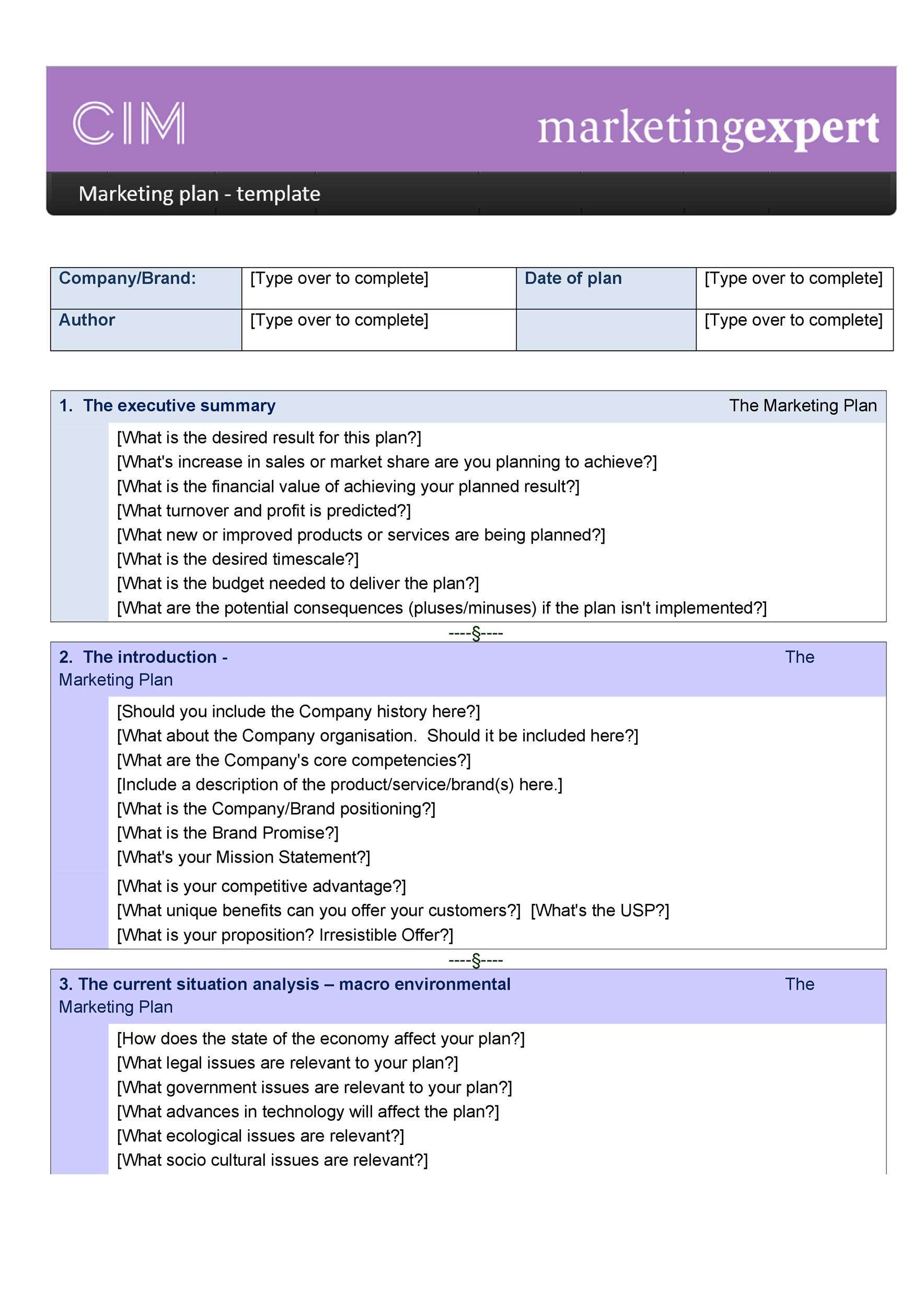
Step 1: Define Your Target Audience – The Foundation of Your Plan
The first and arguably most critical step is understanding who you're trying to reach. Don't try to appeal to everyone; focus on a specific group of customers. Creating detailed buyer personas is key. These aren't just generic descriptions; they're fictional representations of your ideal customers, based on research and data. Consider factors like:
- Demographics: Age, gender, location, income, education, occupation.
- Psychographics: Values, interests, lifestyle, attitudes, personality.
- Behavioral Data: How they make purchasing decisions, where they spend their time online, what motivates them.
Tools like surveys, social media analytics, and customer relationship management (CRM) systems can help you gather this information. Understanding your audience allows you to tailor your messaging and choose the most effective marketing channels. For example, a marketing plan for a luxury skincare brand will differ significantly from one for a budget-friendly online retailer.
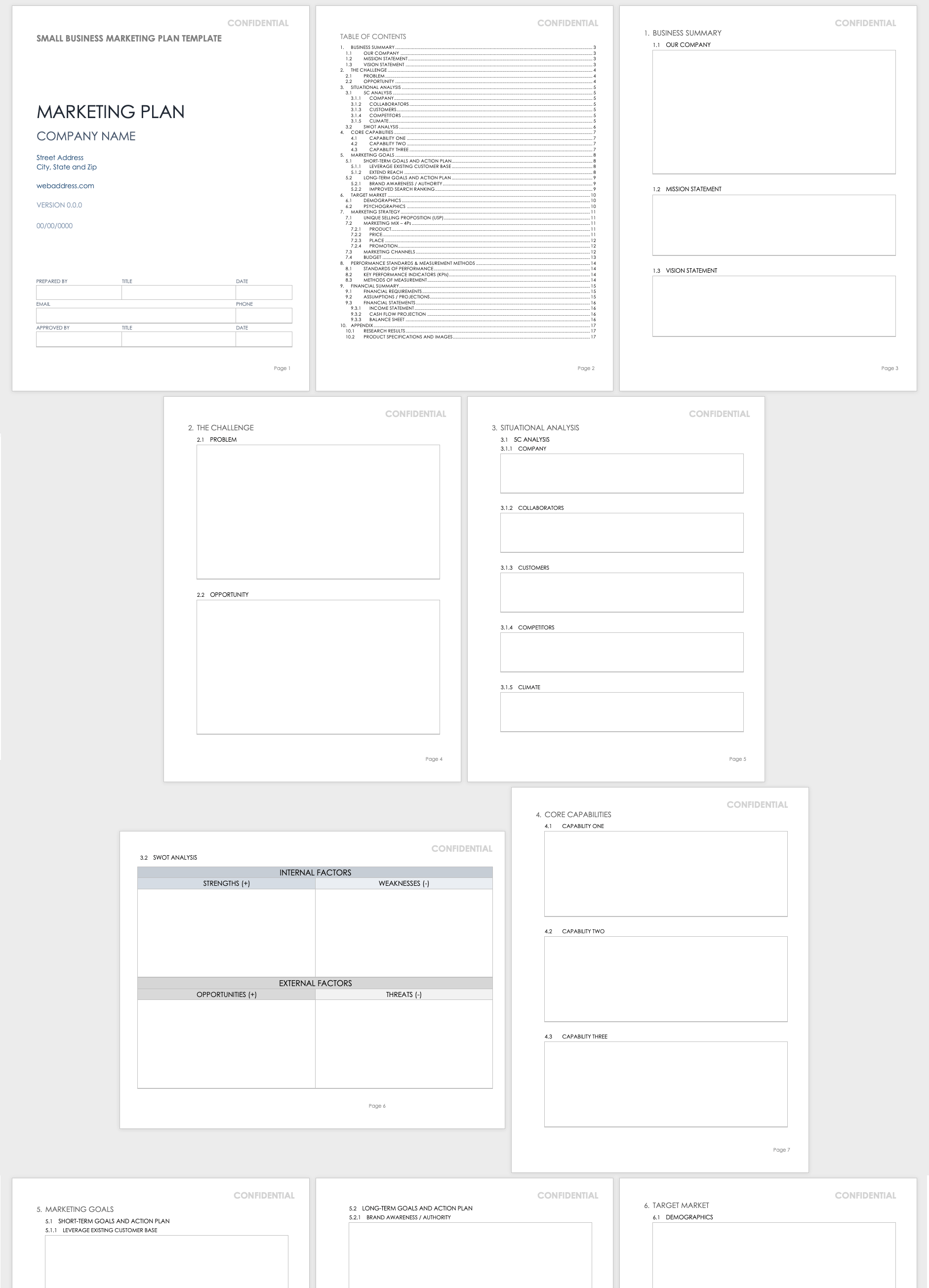
Step 2: Analyze Your Current Situation – Where Are You Now?
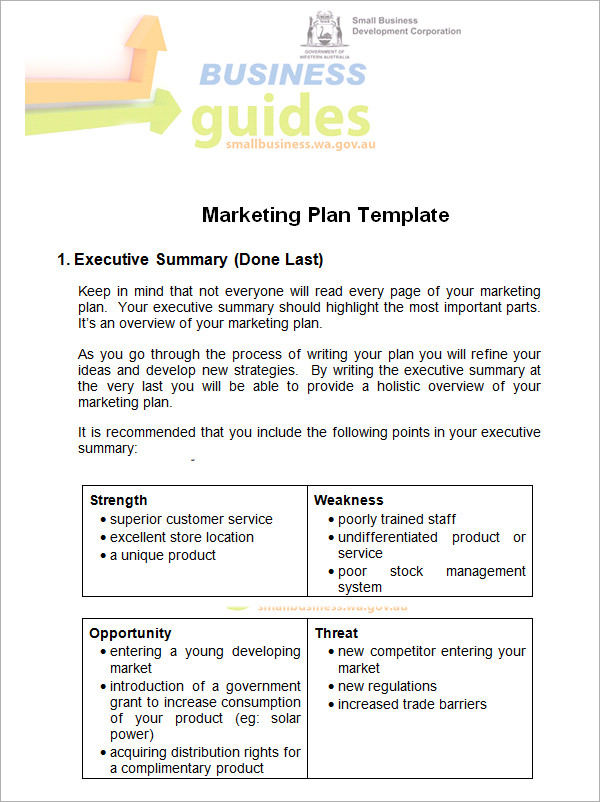
Before you can create a plan, you need to assess your current marketing efforts. This involves a thorough review of your existing strategies, including:
- Website Analytics: What's your website traffic like? Where are visitors coming from? What pages are most popular?
- Social Media Performance: Which platforms are you using? What's your engagement rate?
- Sales Data: What are your best-selling products or services? What's your customer acquisition cost?
- Competitor Analysis: What are your competitors doing? What are their strengths and weaknesses?
This analysis will reveal gaps in your current strategy and highlight areas where you can improve. Don't be afraid to acknowledge your successes and failures – they're valuable learning opportunities. A clear understanding of your current position allows you to set realistic goals and develop a plan to move forward.
Step 3: Set SMART Marketing Goals – What Do You Want to Achieve?
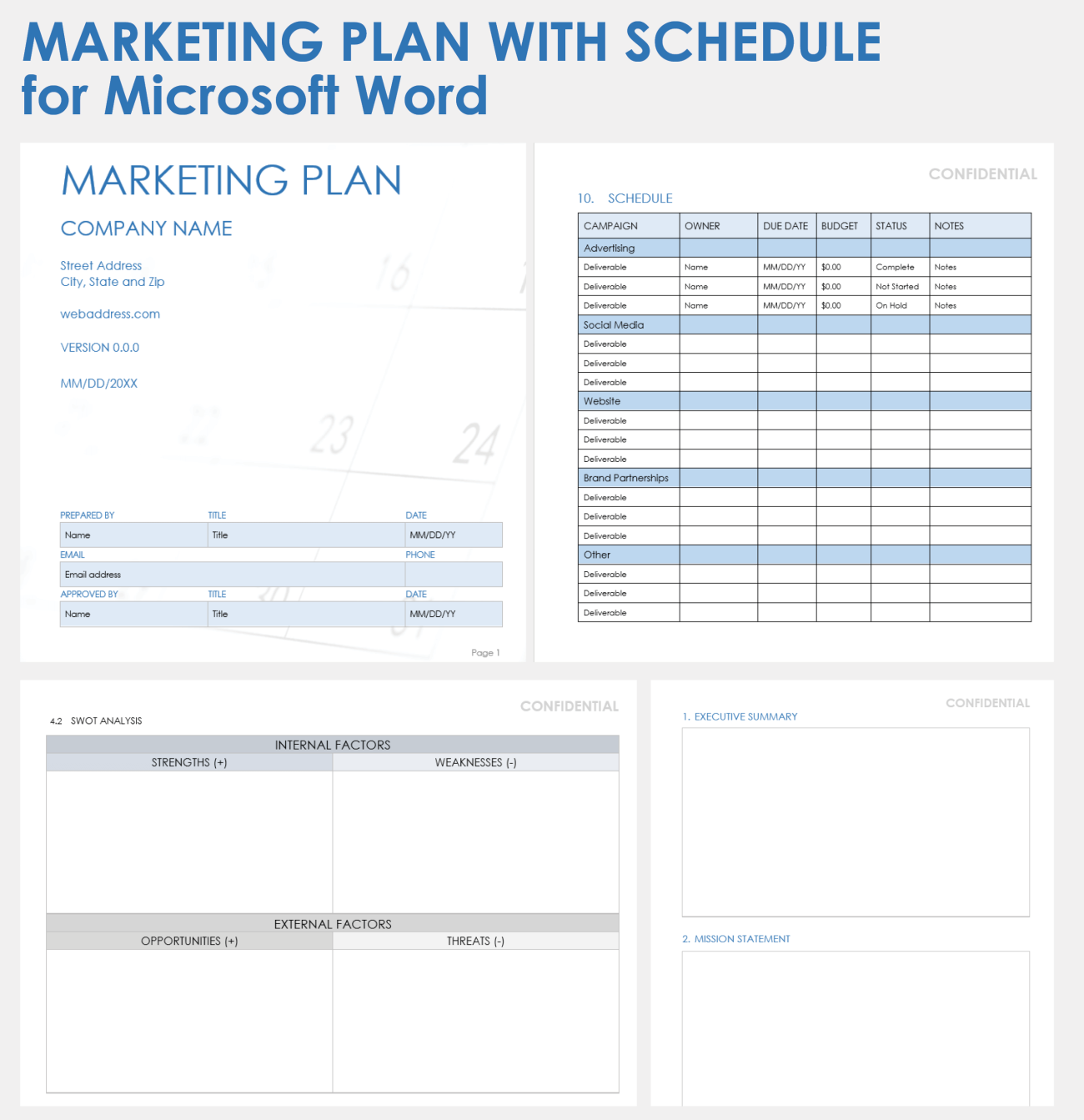
Once you've analyzed your situation, it's time to set specific, measurable, achievable, relevant, and time-bound (SMART) goals. These goals should align with your overall business objectives. Examples include:
- Increase website traffic by 20% in the next quarter.
- Generate 50 new leads per month through social media.
- Improve customer retention rate by 10% within six months.
- Increase brand awareness by 15% within one year.
Having clearly defined goals provides a benchmark for measuring your success and keeps you focused on the desired outcomes. It's important to revisit and adjust these goals as your business evolves.
Step 4: Choose Your Marketing Channels – Where to Focus Your Efforts
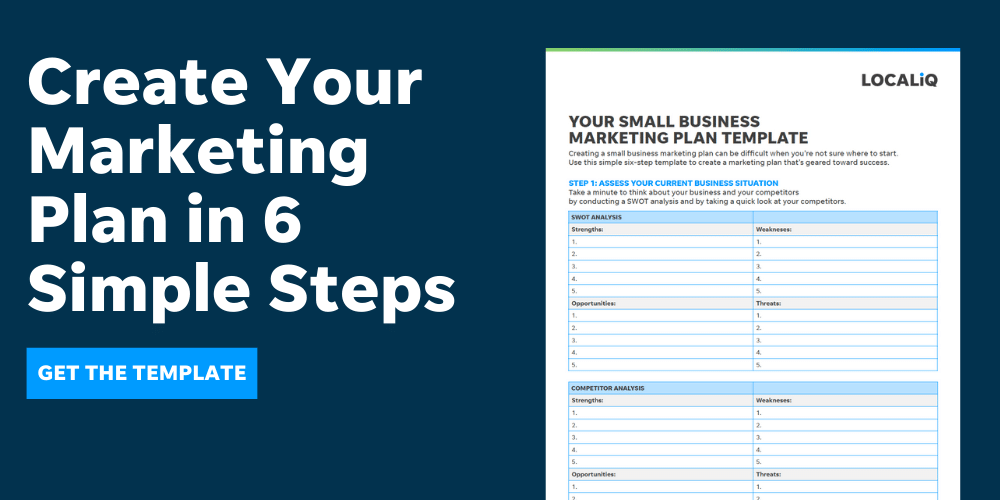
With your goals in place, you need to select the right marketing channels to reach your target audience. There's no one-size-fits-all approach; the best channels will depend on your industry, budget, and target audience. Common channels include:
- Social Media Marketing: Facebook, Instagram, LinkedIn, TikTok – choose platforms where your audience is active.
- Email Marketing: Build an email list and send targeted newsletters and promotions.
- Search Engine Optimization (SEO): Optimize your website to rank higher in search results.
- Content Marketing: Create valuable and engaging content (blog posts, videos, infographics) to attract and retain customers.
- Paid Advertising: Google Ads, social media ads – consider these options for targeted reach.
- Local Marketing: If you have a brick-and-mortar business, focus on local SEO and community engagement.
Step 5: Develop a Marketing Budget – How Much Can You Spend?
Allocate your marketing budget wisely. Start small and scale up as you see results. Consider the cost of each channel and prioritize those that are most likely to deliver a return on investment. Don't forget to factor in costs for tools, software, and advertising. Tracking your spending is crucial for ensuring you're getting the most value for your money.
Step 6: Implement and Track – Putting Your Plan into Action
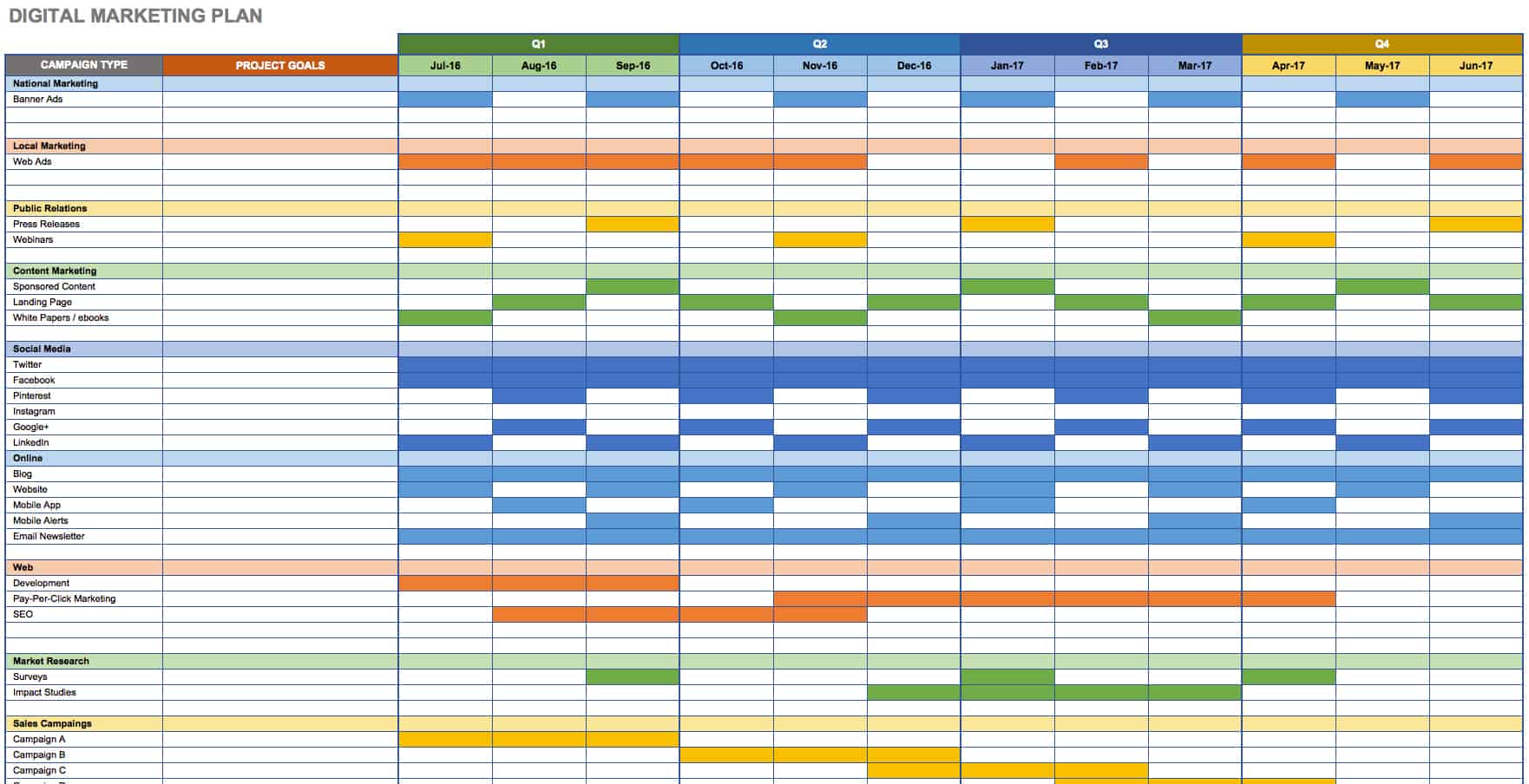
Now it's time to put your marketing plan into action. Create a timeline for implementing each activity and track your progress regularly. Use analytics tools to monitor your results and identify what's working and what's not. Be flexible and willing to adjust your plan as needed. A successful marketing plan isn't a static document; it's a living, breathing tool that evolves with your business.
Conclusion – The Power of a Well-Defined Marketing Plan
A robust marketing plan is an essential investment for any small business. It provides a clear roadmap for achieving your goals, maximizing your resources, and ultimately, driving sustainable growth. By understanding your target audience, analyzing your current situation, setting SMART goals, choosing the right marketing channels, and diligently tracking your results, you can create a plan that delivers a significant return on investment. Remember that consistency and adaptation are key to long-term success. Don't underestimate the power of a well-crafted marketing plan – it's the foundation for a thriving small business. Investing time and effort in developing a solid marketing strategy will pay dividends for years to come. Don't hesitate to seek professional help if you need assistance with developing or implementing your plan. A marketing consultant can provide valuable insights and guidance.
0 Response to "Marketing Plan For Small Business Template"
Posting Komentar